The short answer
If you've searched "best indoor pickleball paddle" or "best outdoor pickleball paddle" and landed on ten lists recommending ten different paddles, here's the honest correction: there is no separate USA Pickleball paddle category for indoor and outdoor play. One approved paddle list covers both. The face material, core thickness, and shape that make a paddle good indoors are, with very few exceptions, the same specs that make it good outdoors. A well-built midweight paddle with a 14–16mm core plays competently in a gym and on a public courts complex without modification.
What genuinely changes between indoor and outdoor pickleball is almost entirely the ball, the surface, and the environment — not the paddle in your hand. That's a more useful way to spend your research time than hunting for an "indoor-specific" paddle that mostly doesn't exist as a meaningfully distinct category. This article walks through what's real, what's marketing, and what to actually buy if you play both.
Do paddles actually differ indoor vs. outdoor? The honest answer
Some manufacturers and retailers do market certain paddles as "better for indoor" or "built for outdoor," and there's a kernel of truth buried in that copy — but it's smaller than the marketing implies, and it's worth separating the real signal from the noise.
What's real, but marginal:
- Edge guard and durability. Outdoor courts (concrete, asphalt) are more abrasive on a paddle's edge guard than a sprung gym floor or indoor sport-court tile is. A paddle that spends its life scraping across concrete on low volleys and mishits will show edge wear faster than the same paddle used exclusively indoors. This is a durability consideration, not a performance one — it doesn't change how the paddle plays, only how long the cosmetic edge holds up.
- Grip and heat. Outdoor play in direct sun means sweatier hands and a grip that needs to manage moisture better than indoor's climate-controlled air does. That's a grip-wrap and overgrip decision (see our paddle decision-tree guide), not a paddle-model decision.
- "Softer feel for indoor control" is a real preference some brands build toward, but it tracks the same core-thickness and surface-material tradeoffs that apply everywhere — a 16mm control paddle is a 16mm control paddle whether you're on wood or asphalt, not a separate indoor-specific engineering category.
What's not real, or wildly overstated: the idea that you need a different paddle to play competently indoors versus outdoors. USA Pickleball's Equipment Standards Manual defines one set of paddle specifications — hitting-surface roughness limits, the 24-inch combined length-plus-width cap, weight and rigidity rules — and it applies identically to every sanctioned match, indoor or outdoor. There is one approved paddle list, not two. If a paddle earns USAPA approval, it's legal and functional in both settings.
The paddle-difference myth persists mostly because retailers make more money selling you two paddles than one, and because the ball genuinely does play differently indoor vs. outdoor — which primes shoppers to assume the paddle must too. It doesn't follow: independent equipment-education sources (JustPaddles, Selkirk, Paddletek) that cover this question directly land on the same conclusion — paddle differences are subtle at most, and the ball is where the real distinction lives.
Where a genuine indoor/outdoor split does exist in gear: shoes. Unlike paddles, footwear really does need different construction for a sprung gym floor versus abrasive concrete — non-marking soles, tread aggressiveness, and cushioning all shift meaningfully. We cover that distinction in our indoor and outdoor shoe guides. Paddles don't have that same hard technical split — which is exactly why this article exists, to stop the confusion from bleeding over from footwear (where it's warranted) into paddles (where it mostly isn't).
What genuinely changes: the ball, not the paddle
This is the difference that actually matters, and it's worth understanding in detail because it changes how you should hit the ball, not just what equipment you buy.
Indoor balls: 26 holes, softer, lighter. Indoor pickleballs typically have 26 larger holes (roughly 0.43" in diameter) and are made from a softer plastic. They weigh in around the lighter end of the USAPA-legal range (roughly 0.78–0.8 oz). The larger holes let more air pass through the ball body, which increases drag and slows the ball down — exactly what you want on a smooth, low-friction gym floor or sport-court tile where a fast, low-bounce ball would be nearly unplayable at the kitchen line.
Outdoor balls: 40 holes, harder, heavier. Outdoor pickleballs typically have 40 smaller holes (roughly 0.28" in diameter) drilled into a harder, more durable polyethylene shell, and they sit at the heavier end of the legal weight range (closer to 0.9 oz). The smaller hole pattern and denser material resist wind deflection and hold their flight path better outdoors, and the harder shell survives repeated impact with rough concrete and asphalt far longer than a soft indoor ball would (an indoor ball used outside typically cracks or goes lopsided within a few sessions).
USA Pickleball's own rules don't mandate an exact hole count — an approved ball can technically fall anywhere in that 26-to-40 range — but the market has settled cleanly into "26-hole soft ball indoors, 40-hole hard ball outdoors" because that's what actually performs well on each surface. Specific picks by surface: our best pickleball balls guide.
Why the ball difference matters more than most players realize. The ball, not the paddle, drives almost every adjustment you actually feel switching between indoor and outdoor play:
- Pace and bounce. The heavier, harder outdoor ball comes off your paddle faster and bounces higher and truer off concrete. The lighter, softer indoor ball dies faster in the air and sits lower off the bounce. If you've ever felt like your drives "don't have the same pop" moving from an outdoor court to an indoor gym, that's the ball — your swing didn't get weaker, the ball just isn't rewarding pace the same way.
- Spin response. A softer indoor ball compresses more against the paddle face on contact, which can make spin feel "grabbier" with the same paddle. A harder outdoor ball resists that compression, so generating visible spin — especially on serves — takes more deliberate paddle-face angle and swing path outdoors.
- Durability expectations. Bring a soft indoor ball outside and it degrades fast; bring a hard outdoor ball indoors and it feels dead and bounces unpredictably low, plus it can mark or scuff a gym floor over repeated play. Match the ball to the surface, every time — this is a bigger performance lever than any paddle swap you could make.
The surface actually changes your footwork, not your paddle
The second real difference is the playing surface itself, and it changes how your body moves far more than it changes what's in your hand.
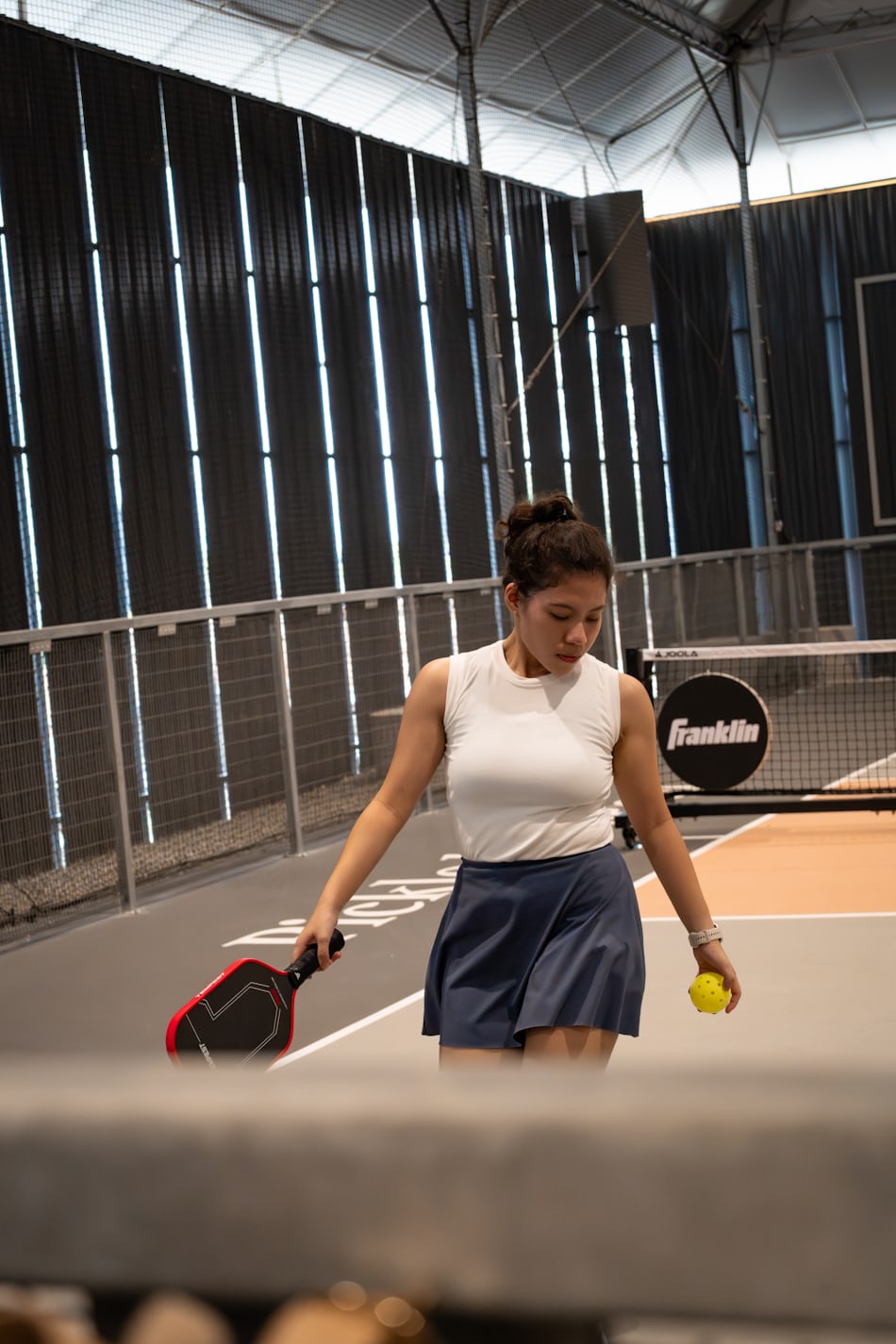
Indoor: gym floors and sport-court tile. Polished wood and interlocking sport-court tile are low-friction, consistent, and forgiving on the joints — there's a small amount of give built into a sprung gym floor that concrete simply doesn't have. The tradeoff is traction: a shoe with aggressive outdoor tread can grab and contribute to ankle rolls on a smooth indoor surface, which is why indoor-specific footwear (not paddles) is the real gear adaptation worth making. Indoor courts are also more likely to be shared with other sports (basketball or volleyball lines underfoot) and lit with consistent overhead lighting, which changes visual tracking of the ball in a subtle but real way.
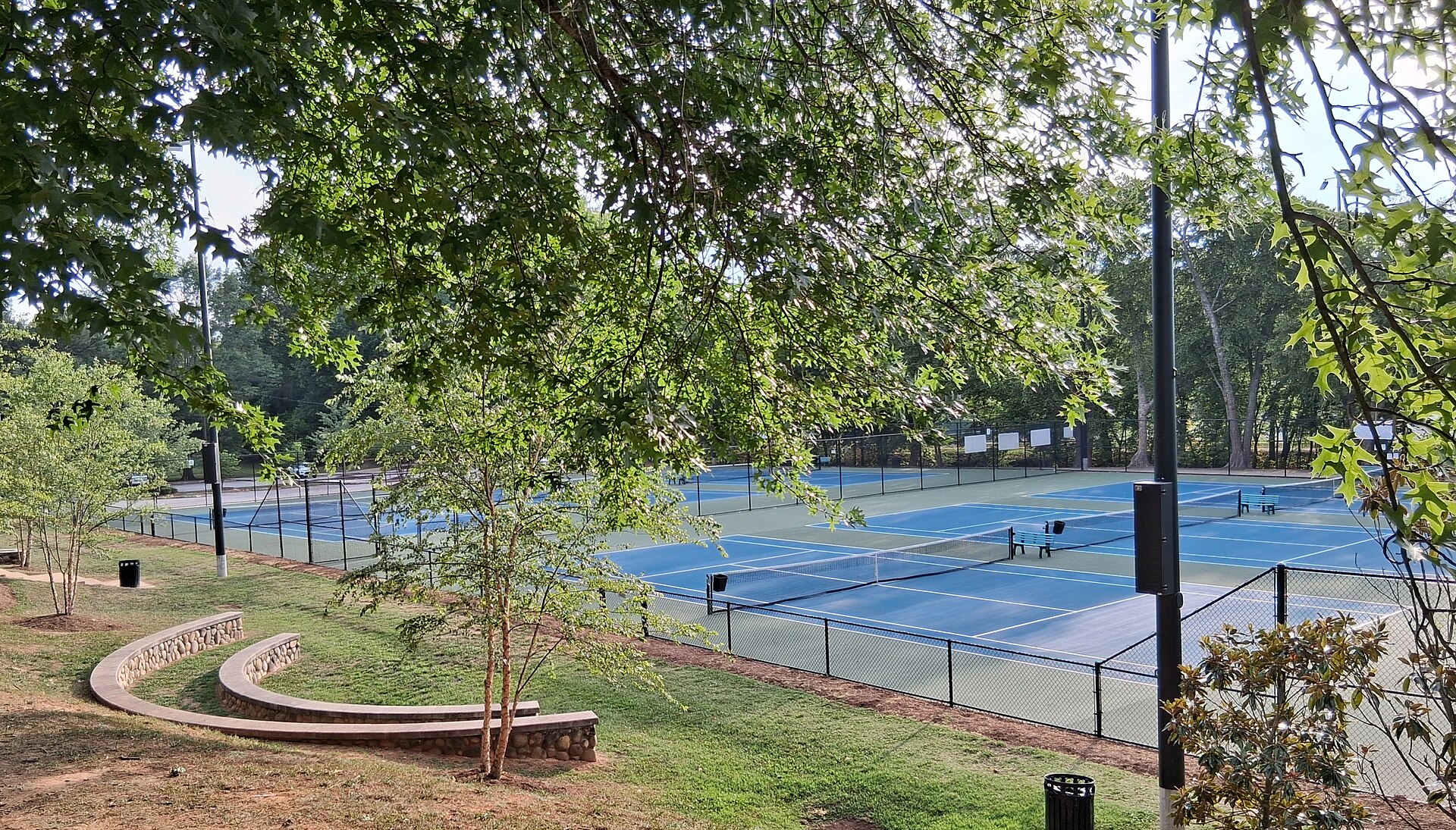
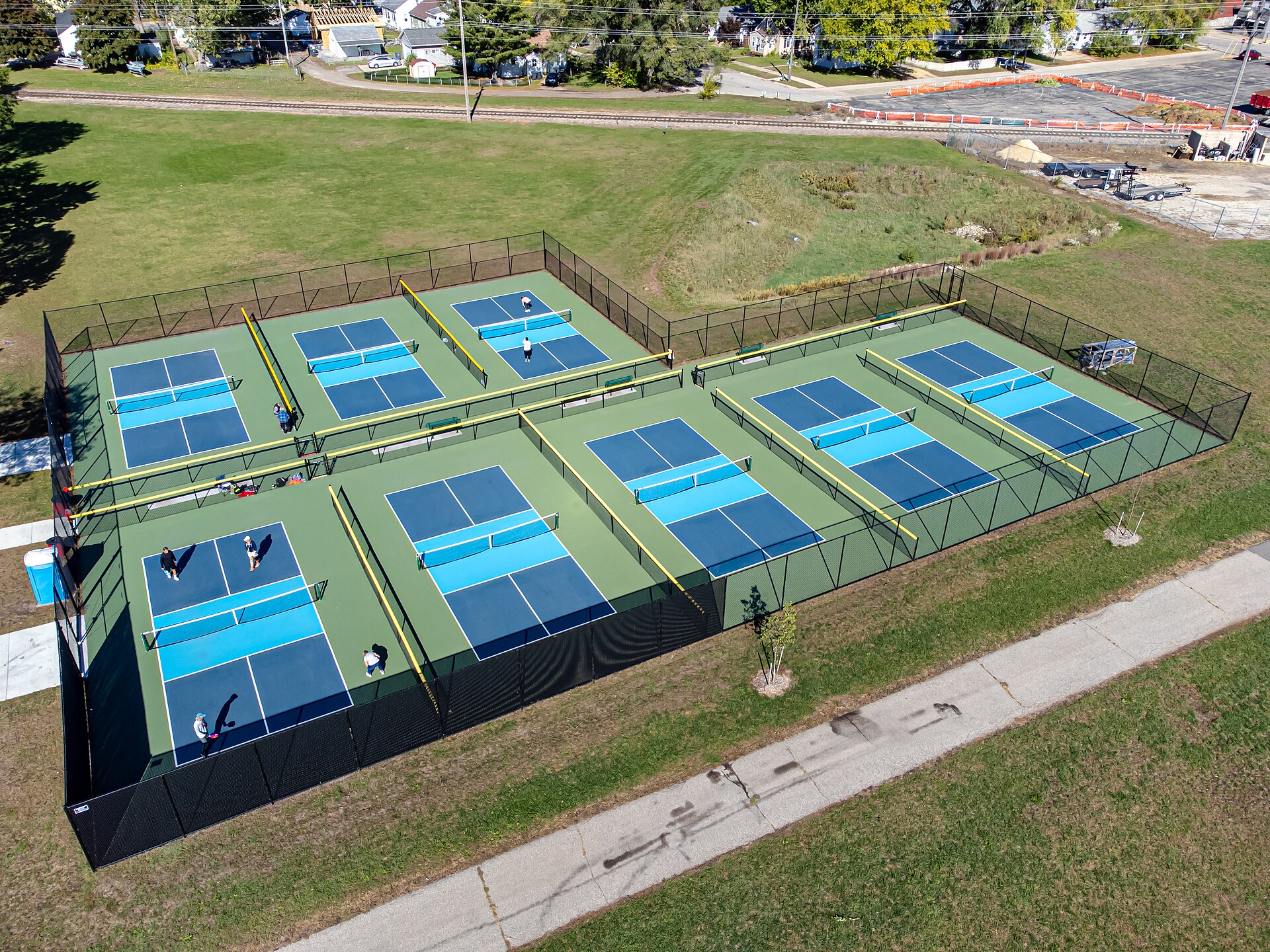
Outdoor: concrete and asphalt. Harder, more abrasive, and completely unforgiving — every hard stop and lateral cut sends the impact straight into your feet, knees, and lower back with no surface give to absorb it. Outdoor courts also vary court to court in a way indoor courts rarely do: a repurposed tennis court, a dedicated pickleball complex, and a driveway conversion can each have meaningfully different surface texture, crack patterns, and drainage crown, all of which affect how the ball bounces.
Neither surface difference calls for a different paddle. They call for different shoes (covered in our indoor and outdoor shoe guides) and, for outdoor play, a mental adjustment for the environmental factors below.
Wind and sun: the real outdoor strategy shift
This is the category of "indoor vs. outdoor difference" that has nothing to do with equipment at all and everything to do with how you should actually play the point.
Wind. Outdoor pickleball is frequently played in real wind, and it affects nearly every shot type differently:
- Lobs and high dinks get pushed the most — a lob that lands safely mid-court in still air can drift long or wide in a crosswind. Favor lower, flatter shots over lobs when it's gusty, and expect your opponent's lobs to be less reliable too — attack them.
- Serves into a headwind lose pace and land short; serves with a tailwind carry further than intended and are easier to send long. Adjust your target depth for wind direction, not just your usual serve motion.
- Third-shot drops get harder to control in gusty conditions — the softer, slower arc of a drop shot is more wind-affected than a flatter drive. Some players deliberately shift toward more drives and fewer drops on windy days for exactly this reason.
Indoor play has none of this. Still air means every shot behaves the same way, rally after rally, which is part of why indoor pickleball tends to reward pure technical consistency more than outdoor play does.
Sun. Outdoor courts run north-south or east-west depending on the facility, and whichever way they're oriented, someone is serving into the sun during part of the day. Track the sun's position before you start so you know which end will be worse at which time, wear a hat with a brim (sunglasses alone don't block a low-angle sun well enough to track a lob), and if the sun is at your back, lean into overheads and lobs on that side of the court — your opponent is at a real disadvantage tracking them.
Temperature. Outdoor balls behave differently by temperature — cold weather makes them more brittle and prone to cracking, while hot asphalt (which can hit 140°F+ in direct summer sun) makes both balls and shoe rubber softer and wears them faster. Worth knowing if you play outdoors year-round.
What to actually buy if you play both
If you split time between indoor gyms and outdoor courts — which describes most regular players — here's the practical bottom line:
- Buy one good paddle, not two. Pick it using the six-decision framework in our paddle buying guide — weight, core thickness, shape, surface material, grip size, budget — based on your play style and injury history, not on where you play. A midweight paddle with a 14–16mm core and a graphite or composite face is a genuinely solid choice for both indoor and outdoor play.
- Buy balls for both surfaces. This is the purchase that actually matters by venue. Keep a sleeve of 26-hole indoor balls and a sleeve of 40-hole outdoor balls in your bag — see our best pickleball balls guide — and use the right one every time. Playing indoors with an outdoor ball (or vice versa) hurts your game far more than any paddle choice will.
- Buy shoes for the surface you play most. If you're heavily weighted to one environment, get the shoe built for it (indoor picks, outdoor picks). If you're genuinely 50/50, a shoe with a moderate, non-marking outsole and reasonable cushioning is a workable compromise — but don't expect it to be optimal at either extreme.
- Treat wind and sun as a strategy adjustment, not a gear purchase. There's no product that fixes a crosswind. Lower shot trajectories, more drives, fewer risky lobs, and paying attention to sun position are the actual free solutions.
- Watch your edge guard if you play heavily outdoors. Not a reason to buy a second paddle, but a reason to check for edge-guard peeling or exposed core material periodically — see our guide on when to replace a pickleball paddle for the specific wear signs.
The one-paddle, two-ball-types, surface-appropriate-shoes approach covers the actual differences between indoor and outdoor pickleball without buying gear you don't need. Save the "second paddle" money for a ball hopper or a lesson instead — both will improve your game more than a paddle you don't need will.
Sources
- USA Pickleball — Equipment Standards Manual
- USA Pickleball — Approved Paddle List
- JustPaddles — Indoor vs. Outdoor Pickleballs Explained By Experts
- Selkirk Sport — The Difference Between Indoor and Outdoor Pickleballs
- Paddletek — Indoor vs Outdoor Pickleballs: What's the Difference?
Ready to put this to use? The Court Scout maintains a verified directory of pickleball courts across the US — indoor and outdoor venues clearly flagged, every listing confirmed against a primary source. Find courts near you and bring the right ball for the surface.
Related: Looking for somewhere to play? See Indoor Pickleball: What It Costs, How Drop-In Works, and How to Find Courts.