The sport that meets kids where they are
A lot of racquet sports ask a child's body to do something it isn't built for yet — generate racket-head speed on an overhead serve, cover 39 feet of a tennis singles court, or track a shuttlecock that changes speed mid-flight. Pickleball asks less, early, which is a big part of why it's become one of the fastest-growing options in youth sports rather than staying a retirement-community novelty. This guide covers why the sport fits kids mechanically, how to size their first paddle, where real youth programs are forming, the safety basics worth knowing, and how to keep the first year fun instead of competitive.
Why pickleball works well for kids
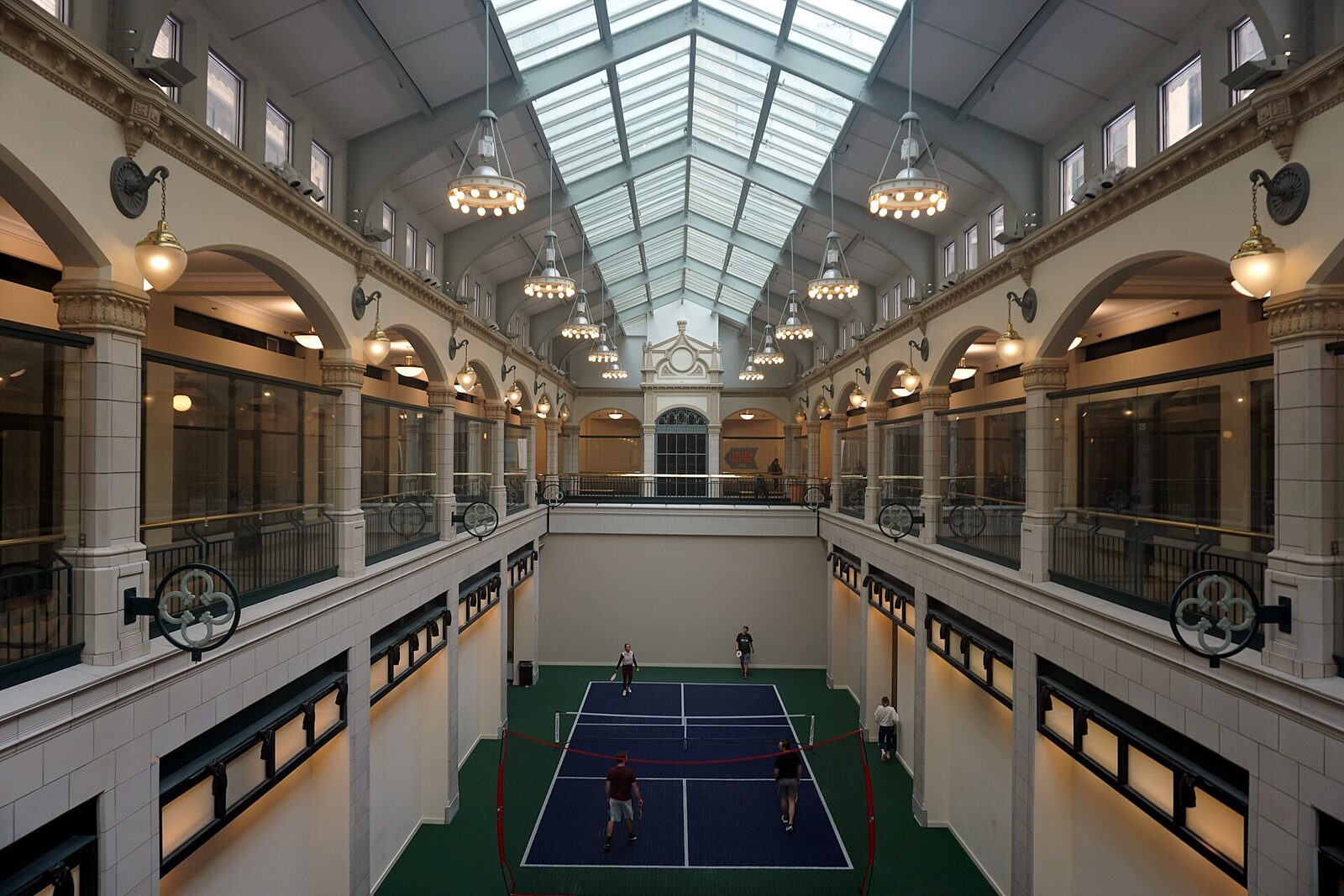
The court is small enough that positioning doesn't overwhelm a beginner. A pickleball court is 20 feet by 44 feet — the same footprint as a doubles badminton court, and roughly a third the size of a tennis court. A child doesn't need to cover open space the way a tennis rookie does; most of a beginner's game happens within a few steps of where they're standing, so the sport rewards paying attention and making contact long before it rewards speed or reach.
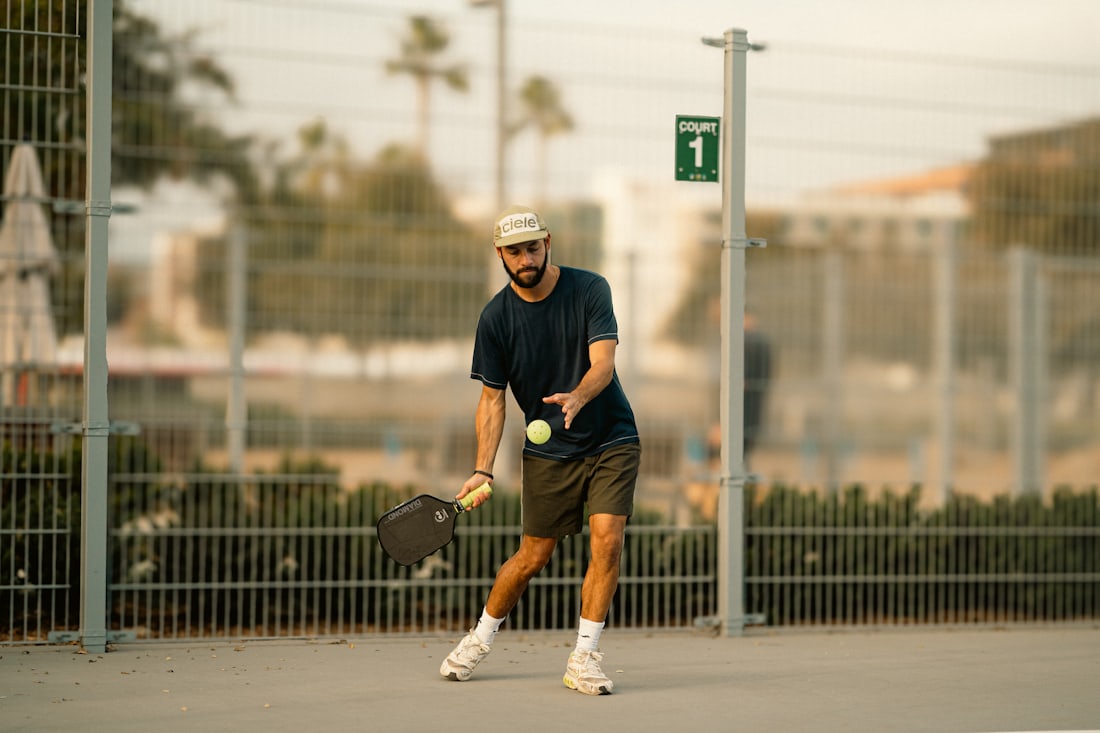
The serve is underhand, not overhead. An overhead tennis serve is a genuinely advanced motion — full-body rotation, a toss, contact well above the head — and it's one of the biggest early frustration points for kids learning tennis. Pickleball requires an underhand, below-the-waist serve, a much shorter mechanical chain to learn. Kids are usually serving into play within their first session rather than fighting a stroke that takes months to groove.
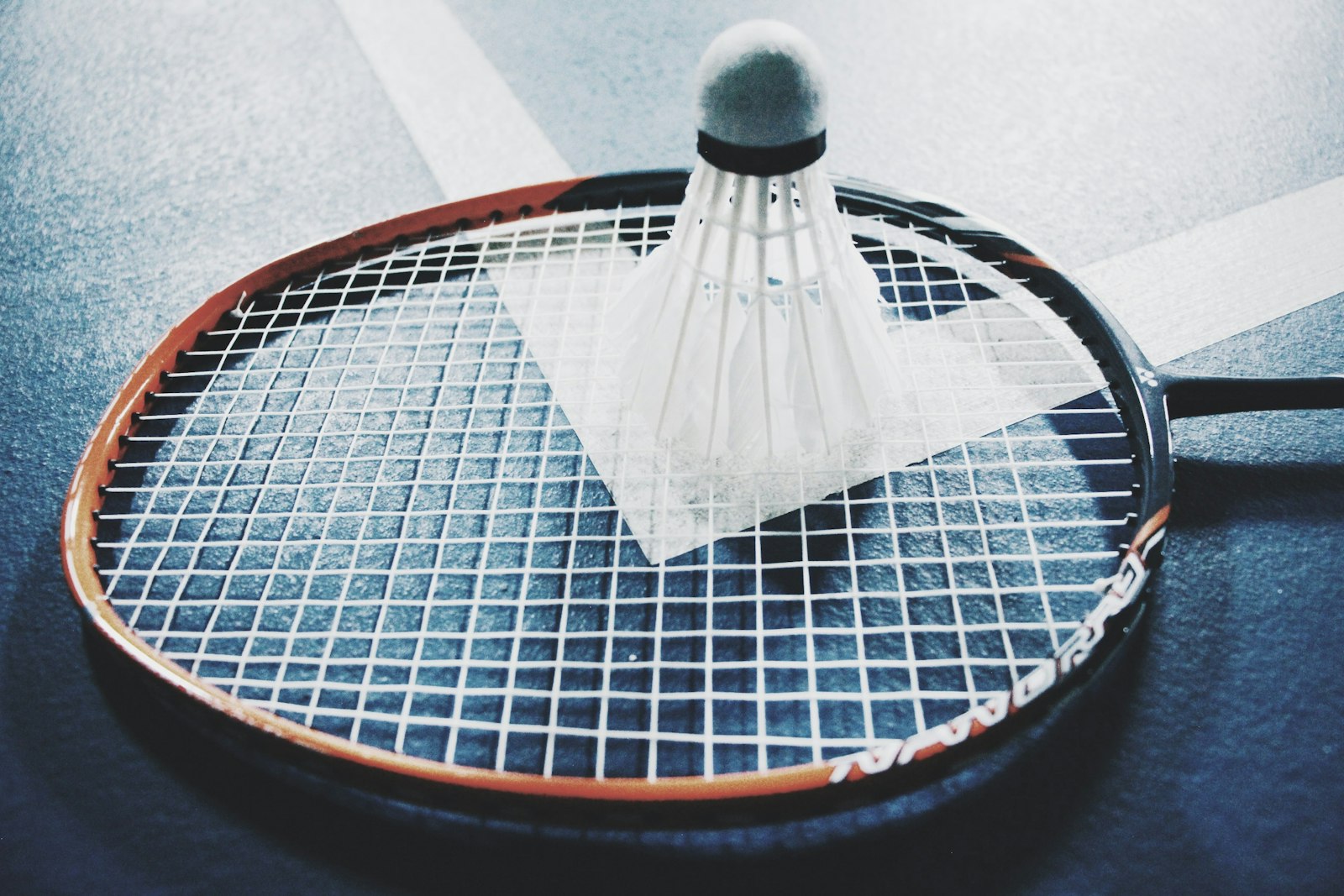
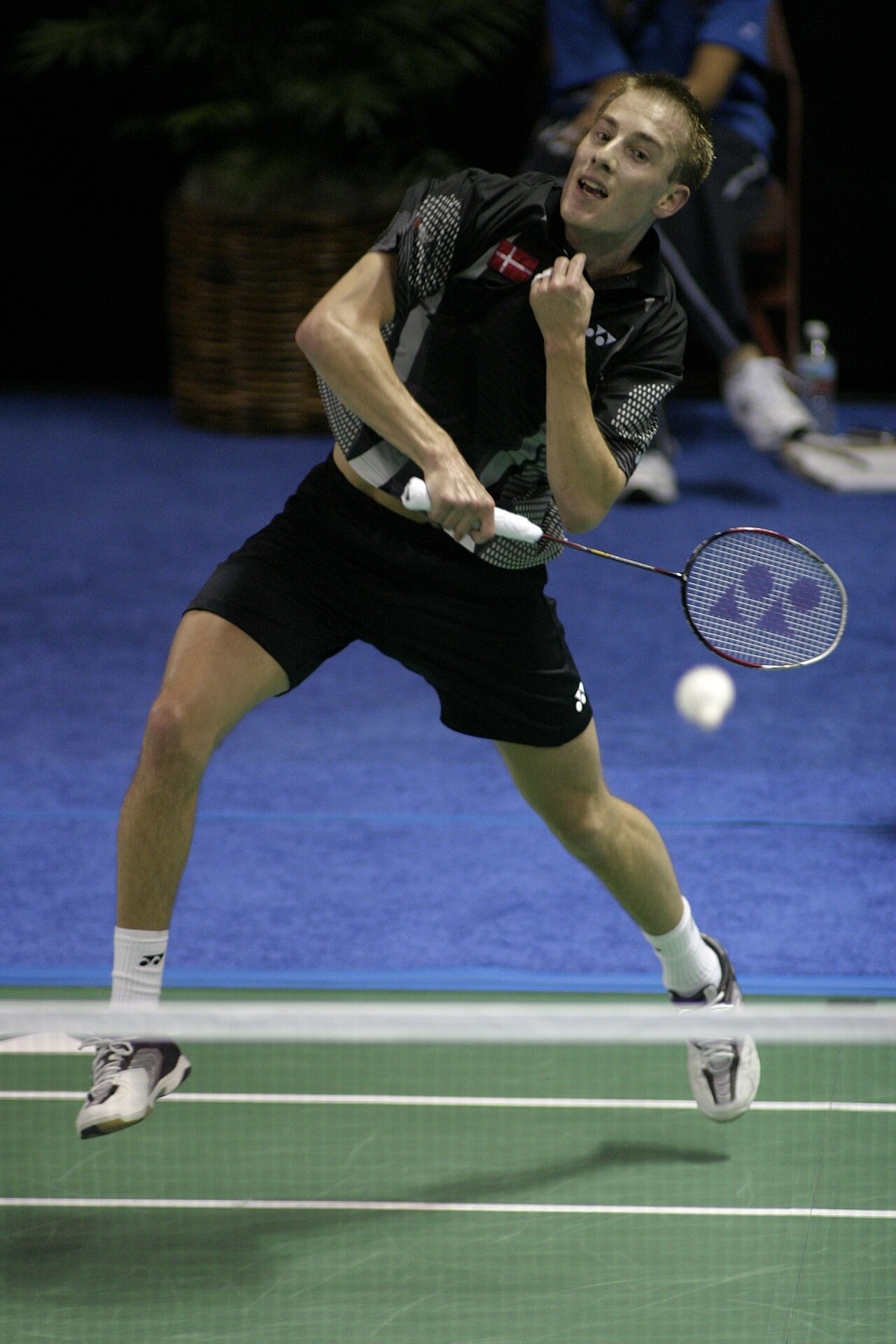
The ball is slower and more forgiving to track than a shuttlecock or a tennis ball. A badminton shuttlecock decelerates rapidly and unpredictably, which makes timing hard to learn, and a tennis ball off a strung racket moves fast enough once a player generates pace that a beginner's reaction window shrinks quickly. Pickleball's hard plastic ball travels noticeably slower than either, and the solid paddle face — no strings, no trampoline effect — gives a bigger, more predictable contact zone than a racket. First-time players, kids especially, tend to sustain a real rally within their first 10–15 minutes on court, which is rare in racket sports and a big part of why the sport hooks kids fast.
The non-volley zone slows the game down at exactly the moment beginners need it slowed down. The 7-foot "kitchen" strip on each side of the net bans hitting the ball out of the air from inside it, which keeps points from turning into pure power exchanges — a built-in equalizer where a well-placed soft shot beats a hard mis-hit, and a smaller player isn't simply overpowered the way they can be in tennis.
None of that means advanced pickleball is easy — the pros move fast and hit hard. But the entry point is genuinely low, and a low entry point is what gets a kid to a second session instead of one frustrating afternoon.
Age-appropriate equipment
The single biggest gear mistake parents make is handing a kid an adult paddle. A standard adult paddle runs roughly 7.3–8.5 ounces with a 4.0–4.5-inch grip — both meaningfully oversized for a young hand, and both a real factor in whether a kid enjoys their first sessions or fights the equipment the whole time.
Weight. Junior paddles run lighter across the board, generally in a rough 6–7.5-ounce range, with the lightest options aimed at players around 5–8 years old and slightly heavier models suited to 9–12-year-olds. A too-heavy paddle isn't just tiring — it slows a kid's reaction time at the net and encourages off-balance swings that are harder to unlearn later than to prevent now.
Grip size. This is the spec parents skip and shouldn't. Youth and toddler-oriented paddles commonly come in smaller grip circumferences — roughly 3.5 inches for the youngest players, stepping up toward the standard 4.0-inch adult minimum as a child's hand grows. An oversized grip forces a kid to squeeze harder than necessary just to control the paddle, both a control problem and, over time, a strain problem — the same overgripping mechanism behind "pickleball elbow" in adults. Most youth-paddle sellers list a size chart by age and hand size; check it before ordering rather than guessing.
Shape and material. A wider, more forgiving paddle face (rather than an elongated, advanced shape) gives a beginner a bigger margin for off-center contact, and a basic fiberglass or composite face is plenty for a kid who's still learning — no reason to buy a premium raw-carbon paddle for a first-time player. Our full paddle-buying guide covers weight, core, shape, surface, and grip sizing in more depth for when a young player is ready to size up.
Scaled-down courts and balls exist too. Some youth clinics use a shortened, lined-down court, a slightly lower net, and a softer low-bounce practice ball for the youngest players before moving to the regulation hard plastic ball. None of that is required to get started — a driveway with taped lines and a portable net works fine.
Finding youth programs
School PE and school-sponsored programs are the fastest-growing on-ramp right now, not just a talking point. Montgomery County Public Schools in Maryland expanded pickleball from an 11-school varsity pilot to 25 high schools offering it as an official varsity sport for fall 2024, framed by the district's athletics director as a lifelong-health opportunity and built around a target 50:50 participation ratio between students with and without disabilities (The Baltimore Banner). A similar pilot in western Massachusetts grew from four schools in 2024 to eleven by 2025 (The Dink Pickleball), and in 2026 Kentucky's high school athletic association voted to sanction pickleball starting in 2027–28 (WDRB). At the elementary level, PE teachers cite the same reasons repeatedly: courts are cheap to set up (four fit on one tennis court, or up to eight in a gym using floor tape), equipment costs are low, and USA Pickleball offers grant support to schools building programs (Edutopia). If your child's school doesn't have a program, that grant pipeline — plus USA Pickleball's educator resources page — is worth pointing a PE teacher toward.
Outside of school, rec-center and parks-department junior clinics are the other reliable pattern, typically a weekly hour with a coach running drills and modified games rather than full adult open play. Availability varies a lot by city; check your parks-and-rec activity guide or call and ask directly. USA Pickleball's Junior and Youth Pickleball hub lists getting-started guidance for players under 18, with entry points beginning around age 8, plus junior tournament divisions for kids who want a competitive track later. Dedicated organizations and franchised academies (USJPO, Pickleball Kids USA, indoor-club academies like The Picklr's) have also formed around structured youth coaching.
When scouting a facility for a family session or clinic, check the venue listing first. The Court Scout's verified pickleball directory lists confirmed hours and contact info for public and private venues, so you can call ahead and ask about junior programming before showing up with a kid in tow.
Safety basics for young players
Pickleball is genuinely low-impact by racquet-sport standards — no checking, and a ball that moves slower than a tennis ball or a hit shuttlecock. That doesn't mean safety is a non-issue for kids; it means the real risks are specific and manageable rather than exotic.
Eye protection is the one piece of safety gear worth taking seriously, even for casual play. The ball can move fast enough at close range — especially at the net, where players on both sides are close together — to cause real eye injury, including corneal abrasions and, in serious cases, orbital fractures. The American Academy of Ophthalmology recommends sport-rated protective eyewear built to the ASTM F803 standard used for racquet and ball sports, rather than ordinary sunglasses or prescription glasses (AAO). This matters more for doubles, the standard youth format, since players spend more time close to the net.
Correctly sized equipment is itself a safety measure, not just a performance one — an oversized grip forces overgripping, the same mechanism behind overuse strain in adults, so getting the grip and weight right from day one is cheap insurance against a sore forearm becoming a reason to quit.
Sun, hydration, and footwear round out the basics. Most youth pickleball happens outdoors, so sunscreen, water, and shade breaks matter more than the sport gets credit for, and court shoes with real lateral support (not slick sneakers or sandals) reduce ankle-roll risk during quick side-steps.
Falls and collisions, not opponent contact, are the most common actual injury mechanism — usually from chasing a wide shot or two players converging on the same ball. Teach kids to call the ball loudly ("mine!"/"yours!") in doubles to prevent collisions, and keep a coach or attentive parent watching the first handful of sessions, before a kid has built the instinct to track a partner's position.
Keeping it fun, not overly competitive early
This determines whether a kid keeps playing in year two, and it's the easiest part to get wrong. The instinct with any sport a child shows early aptitude for is to fast-track them toward leagues and "real" competition — usually prematurely.
Let the first several sessions be genuinely low-stakes. Modified games — no-serve rallying drills, king-of-the-court rotations, target games that reward accuracy over winning points — build the same hand-eye and footwork skills as scored matches without introducing a win/loss frame before a kid has the fundamentals to compete comfortably. Most structured junior clinics, including USA Pickleball's own entry-level guidance, lean on exactly this kind of modified play for the earliest age groups.
Praise effort and specific improvement, not results. "You got your paddle up in time on that one" lands better than "good job, you won" — the former teaches a kid what to pay attention to next time, the latter teaches them the outcome is what matters, which quickly turns a low-pressure sport high-pressure.
Resist specializing too early. Pickleball's youth infrastructure — tournament divisions, ranked junior circuits, dedicated academies — has grown fast enough that it's genuinely possible to put an 8-year-old on a competitive track. That's a fine choice for a kid who's asking for it, and a bad one imposed on a kid who just wants to hit a ball around with friends. Let the child's own enthusiasm set the pace, not the other way around.
The kitchen rule already does some of this work for you. Because the non-volley zone rewards placement and patience over raw power, pickleball is naturally less of a blowout sport at the youth level than tennis can be when a bigger kid is across the net — easier to keep close and non-discouraging for players still building skill.
Getting started this week
Check whether your child's school runs anything, or ask a PE teacher whether they'd consider it — the equipment cost is genuinely low. Check your rec center's activity guide for a junior clinic slot. And buy one correctly sized junior paddle rather than handing down an adult one. Beyond that, the sport does most of the work itself: pickleball's whole appeal, for kids and adults alike, is that it gets you into a real rally faster than almost anything else you could hand a beginner.
Sources
- USA Pickleball — Junior and Youth Pickleball
- USA Pickleball — Educator Resources for Schools & Youth Programs
- Pickleball in Elementary School for Physical and Social Well-Being — Edutopia
- A Varsity Letter in Pickleball? Montgomery County High Schools Adopt Booming Sport — The Baltimore Banner
- Massachusetts Launches First-Ever High School Pickleball League — The Dink Pickleball
- Kentucky Adds Pickleball, Girls' Flag Football as Sanctioned High School Sports — WDRB
- Wear Eye Protection When Playing Pickleball — American Academy of Ophthalmology
Once your family has the basics down, the next step is finding somewhere regular to play. The Court Scout maintains a verified directory of pickleball courts across the US, every venue confirmed against a primary source, with real hours and contact info you can check before showing up with a kid and a new paddle. Find courts near you, and see our paddle-buying guide and rules explainer once your child is hooked.