The serve is easy to make legal and hard to make good
Padel's serve rule is one of the most forgiving in racquet sports: underhand, contact at or below waist height, off a bounce, into the diagonal box. Most new players get the legal version right within a session or two — the motion is slow and low-risk. That's exactly why the serve gets overlooked as a shot worth practicing on purpose. It's the one stroke in padel every player hits from a dead stop, on their own timing, with no opponent influencing the setup — which makes it the easiest shot to improve quickly and the one most rec players never bother to.
This guide is the technique companion to our padel rules guide, which covers exactly what makes a serve legal — the underhand-and-below-waist requirement, the mandatory bounce, diagonal placement, the two-attempt fault rule, and the mesh-fence wrinkle. Here we're covering what makes a legal serve effective: the mechanics behind a consistent contact point, the habits that quietly wreck most beginners' serves, and — because padel's walls change the math here more than in any other racquet sport — where to actually aim it.
Serve mechanics: bounce, contact point, and the pendulum swing
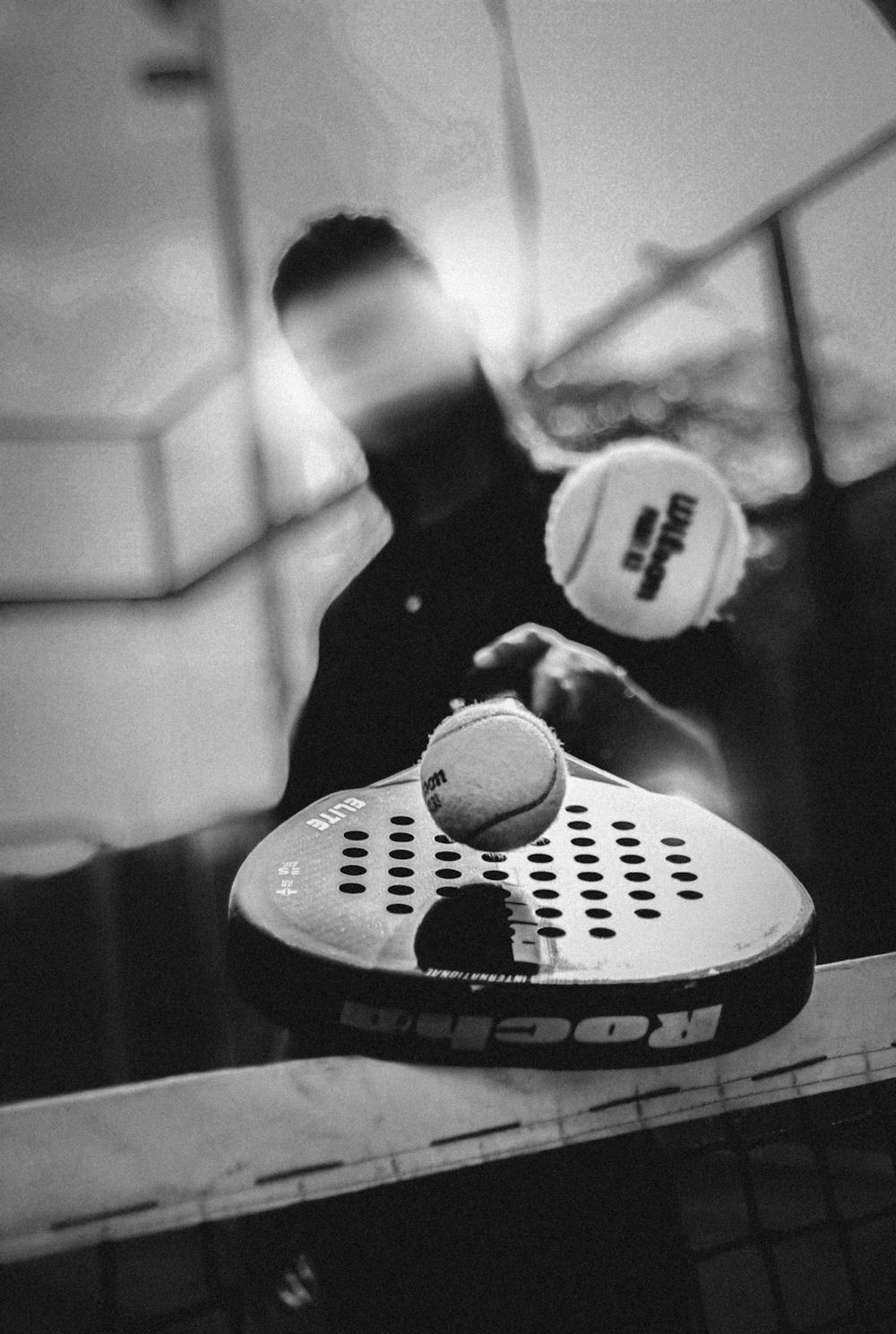
Every legal padel serve starts the same way: the server drops the ball from waist height and lets it bounce on the ground before making contact. That bounce isn't a technicality — it's the foundation of a repeatable serve, because it's the one part of the motion you fully control before you ever swing.
The drop. Hold the ball at roughly waist height and release it straight down, close to your body and slightly in front of your lead foot, in the same spot every time. A drop that varies in height or position forces your timing to re-solve itself on every serve, which is the biggest reason beginner serves feel inconsistent from point to point. Bouncing the ball once or twice before you serve — the same pre-shot routine a basketball player uses at the free-throw line — is a small habit that steadies the rest of the motion.
Contact point. FIP's rule is contact at or below waist height, and the practical target most coaches teach is closer to hip or belly-button height — high enough on the bounce to hit cleanly and with some pace, but with real margin below the legal line so a rushed swing doesn't drift into an illegal high contact. Strike the ball at the top of its bounce, not while it's still rising and not after it's started to drop; timing the peak of the bounce is what produces a clean, controlled hit instead of a rushed or scooped one.
Stance and body position. Stand behind the service line, feet roughly shoulder-width apart, body turned slightly sideways — front foot (opposite your hitting arm) pointing toward the diagonal target box — rather than squared flat to the net. That sideways stance lets your hips and shoulders rotate through the shot instead of relying on arm strength alone, the same principle behind a tennis groundstroke or a pickleball serve.
The swing. Use a continental (handshake) grip — the grip padel players use for nearly every shot — and swing like a pendulum: back behind the hip, forward and up through contact, with a full follow-through rather than a short punch or flick. Stepping into the ball as you swing adds real pace and accuracy without added risk, because the power comes from body weight transfer and rotation, not from arming the ball harder.
Common technical mistakes
Contact point creeping too high. This is the most common fault-producing habit, and it usually isn't intentional — it happens gradually as a player gets comfortable and swings with more confidence, letting the strike point drift toward or past waist height without noticing. The fix: bounce the ball at the same height and spot every time, and consciously aim for hip height rather than waist height so you have margin before you're anywhere near the legal line.
Inconsistent bounce or toss. Because the serve is self-initiated with no opponent forcing your timing, there's no excuse for a sloppy drop — yet it's the biggest cause of mis-hit, mistimed serves at the beginner and intermediate level. A drop that lands closer to your body one time and farther away the next means your feet, swing path, and contact point all have to adjust on the fly. Build a fixed pre-serve routine — same bounce height, same number of ball-bounces before you strike, same body position — and fix any deviation before working on power or placement.
Rushing the motion under pressure. A serve hit fast and flat, with no pause between the bounce and the swing, tends to produce both errors above at once. Slowing the motion down — treating the bounce and the swing as two distinct phases rather than one blur — fixes more serve problems than any grip or stance adjustment.
Squaring up before the swing. Facing your shoulders, hips, or eyes toward your target before you strike gives an experienced returner a head start on where the ball is going, erasing much of the advantage a well-placed serve is supposed to create. Keep your setup consistent regardless of where you're aiming, and pick your target mentally rather than telegraphing it with your body.
Serve placement strategy: why the wall changes everything
This is where padel's serve tactics genuinely diverge from tennis, and it comes back to the fact that shapes the rest of the sport: once a ball bounces on a side of the court, it stays alive off the glass and mesh behind it, as covered in full in our padel rules guide. That single rule flips the risk/reward math on serve placement.
Wide serves are riskier in padel than in tennis. In tennis, a serve out wide pulls your opponent off the court and, if it's good enough, can be a clean winner — there's no wall to bail them out. In padel, a serve angled toward the side glass gives the returner a second chance: even stretched wide and off-balance, the ball can come off the side wall at a playable height and angle, handing them a return they wouldn't get in an open-court sport. A wide serve isn't useless — with real sidespin, it can kick unpredictably off the glass and still cause trouble against a less experienced returner who hasn't learned to read wall bounces — but it's a lower-percentage, situational tool rather than a default.
Body serves are the default competitive weapon. Aiming directly at the returner's hip or torso is one of the most consistently recommended tactics in padel: a body serve forces the returner to get out of their own way before they can swing, costing them time and producing a jammed, defensive return far more often than a clean one. Because the return comes back toward the center rather than at a wide angle, it's also easier for your partner at the net to read and attack. Against an opponent standing close to the service box — most recreational returners — a body serve is close to the highest-percentage option available.
The T-line (center) serve adds a third look. Serving down the middle, near the center line, is the third standard target alongside wide and body, and its value is mostly variety and exploiting a weaker side: aimed at a returner's backhand, a T-line serve can be just as disruptive as a body serve while looking different enough that opponents can't settle into reading one pattern.
Depth and spin matter more than raw pace. A moderate-pace serve that's well placed and consistent beats a hard, flat, predictable one — you get exactly one serve attempt (a missed first gets a second try, but two misses is a fault), so a serve you can land under pressure is worth more than one that occasionally overwhelms. Backspin keeps the ball low and skidding, forcing the returner to hit up; sidespin, angled toward the side glass, makes the wall bounce kick sideways in a way that's hard to read the first few times a returner sees it.
How serve strategy shifts between social and competitive play
At a casual, social padel session — an americano, a drop-in mixer, a friendly game with mixed skill levels — the serve's job is mostly to start the point cleanly and not hand away a free error. Most social-level returners aren't yet punishing a predictable serve, so a consistent, moderately paced serve to the body or backhand corner is usually enough to create a small advantage without much risk. Missing the serve on both attempts is the costliest mistake a social player can make, since it's a free point conceded with no rally at all; consistency dominates the decision far more than variety or power at this level.
Competitive play changes the calculation. Once every returner can handle a plain, predictable serve without trouble, a flat body serve stops being an edge on its own — it just starts the point on even terms. That's the real reason serve variety (mixing body, wide, and T-line targets, layering in backspin or sidespin off the side glass) shows up so much more at the club-tournament and professional level: a good returner adapts to a repeated pattern within a handful of points, so a server who never varies placement or spin is giving away the one advantage they're supposed to have. Competitive pairs also serve with an eye toward setting up their net player for the next shot, not just avoiding a fault — a well-placed serve that produces a weak, central return is worth more than one that merely lands legally.
None of this changes the legal mechanics covered in our padel rules guide — the underhand motion, below-waist contact, mandatory bounce, and diagonal placement stay fixed no matter who you're playing against. What changes is what you're trying to accomplish with that legal motion once your opponents are good enough to punish a serve that doesn't ask them any real questions.
Building a reliable serve
If your serve still feels inconsistent, work on it in roughly this order rather than trying to fix everything at once:
- Groove the drop first, no swing at all. Practice releasing the ball from the same spot and height until it's automatic — this alone fixes more downstream problems than any swing adjustment.
- Add the swing, aiming only for "legal and in." Get a run of serves landing inbounds without a fault before worrying about placement.
- Add a placement target. Alternate between body and T-line serves to a specific side, tracking how often you actually hit the target rather than just landing somewhere legal.
- Add spin last. Backspin or sidespin on top of inconsistent mechanics just stacks a second unreliable variable on the first — get the flat serve reliable first.
Where to go from here
Technique gets your serve legal and useful; the rules — including the mesh-fence wrinkle that catches even experienced players off guard — are covered in full in our padel rules guide. If you're still building the fundamentals, our beginner padel guide covers gear, court basics, and finding a game, and our padel smash technique guide picks up the other half of the shot-selection puzzle — what to do once the ball comes back. When you're ready to put any of this into practice, The Court Scout maintains a verified directory of padel venues, rebuilt from each club's own primary sources rather than scraped listings.
Sources
- International Padel Federation (FIP) — Rules of Padel, revision effective 01.01.2026 (PDF)
- Padel39 — Padel Serving
- Padel39 — How To Develop A Killer Padel Serve
- Red Bull — Padel serving tips: Beginner's guide to the perfect serve
- The Court Scout — padel rules guide
- The Court Scout — beginner padel guide
- The Court Scout — padel smash technique guide
- The Court Scout — global padel hub